

No More Stolen Sisters: A Call to Action for MMIWG Awareness and Advocacy
Every year on May 5th, communities across the nation pause to recognize the National Day of Awareness for Missing and Murdered Indigenous Women and Girls (MMIWG). This day is a solemn reminder of a crisis that has devastated Indigenous families and communities for generations. The stories of missing and murdered Indigenous women, girls, and Two-Spirit relatives have been ignored for too long. This post explores the harsh reality of this crisis, the reasons behind the silence, and how we can all take meaningful steps toward healing and justice.

The Harsh Reality of the Crisis
Indigenous women face violence at rates far beyond the national average. In some areas, Indigenous women are murdered at rates more than ten times higher than other groups. This staggering disparity reflects deep-rooted problems tied to historical and ongoing colonial violence.
The numbers tell a troubling story:
In 2016, there were 5,712 reported cases of missing and murdered Indigenous women and girls.
Of those, only 116 cases were entered into the Department of Justice’s federal database, highlighting a significant data gap.
Research shows that 95% of these cases receive little to no national media coverage, leaving families without the public attention needed to push for justice.
This crisis is not limited to women alone. Two-Spirit relatives, men, and children are also affected, making this a community-wide emergency that demands collective action.
Why the Silence?
The lack of media coverage and official data reflects systemic failures. Law enforcement agencies often lack the resources or will to investigate these cases thoroughly. Jurisdictional complexities between tribal, state, and federal authorities create barriers to effective response. Additionally, stereotypes and discrimination contribute to the invisibility of Indigenous victims in public discourse.
This silence deepens the pain for families and communities, making it harder to find answers and healing.

Steps Toward Healing and Advocacy
Awareness is the first step toward change. Here are practical ways to stand in solidarity and support the movement for justice:
Wear Red
Red is a powerful symbol representing the spirits of missing Indigenous women and the strength of those who remain. Wearing red on May 5th and sharing photos with the hashtag #MMIWG helps break the silence and raise visibility.
Speak Their Names
Remembering and saying the names of missing and murdered relatives honors their lives and keeps their stories alive. This practice strengthens community bonds and demands accountability.
Support Indigenous-Led Organizations
Groups like the National Indigenous Women’s Resource Center (NIWRC) and Rising Hearts provide vital advocacy, policy change efforts, and family support. Donating time or resources to these organizations amplifies their impact.
Educate Yourself and Others
Use trusted sources such as the Urban Indian Health Institute (UIHI) to learn about the data and history behind the crisis. Sharing this knowledge encourages informed conversations and pressure on authorities to improve accountability.
The Role of Community and Culture
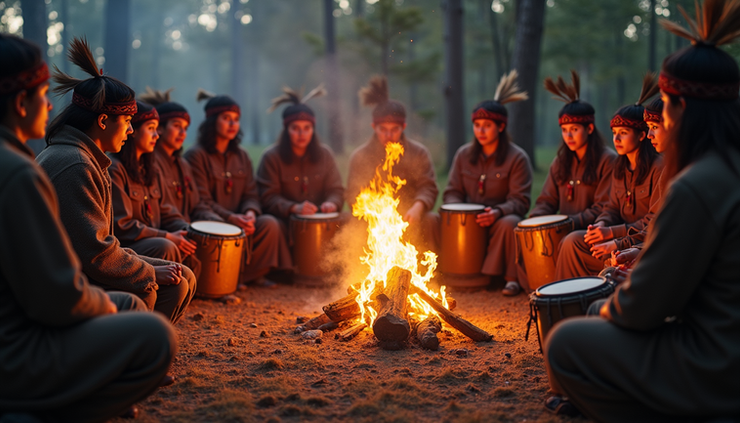
Healing from this crisis requires more than awareness; it demands rebuilding trust and safety within Indigenous communities. Cultural practices, ceremonies, and storytelling play a crucial role in honoring those lost and supporting survivors. Communities are reclaiming traditions to foster resilience and collective strength.
At the same time, allies outside Indigenous communities must listen, learn, and act respectfully. Supporting Indigenous voices and leadership ensures that solutions come from those most affected.
Moving Forward Together
The crisis of missing and murdered Indigenous women and girls is a call to action for all of us. It challenges us to confront uncomfortable truths and to stand firmly against injustice. By raising awareness, supporting Indigenous-led efforts, and honoring the memories of those lost, we contribute to a future where no more sisters go missing or are taken by violence.
This is a moment to listen deeply, act boldly, and commit to lasting change. Every voice matters in this fight for justice and healing.


Comments